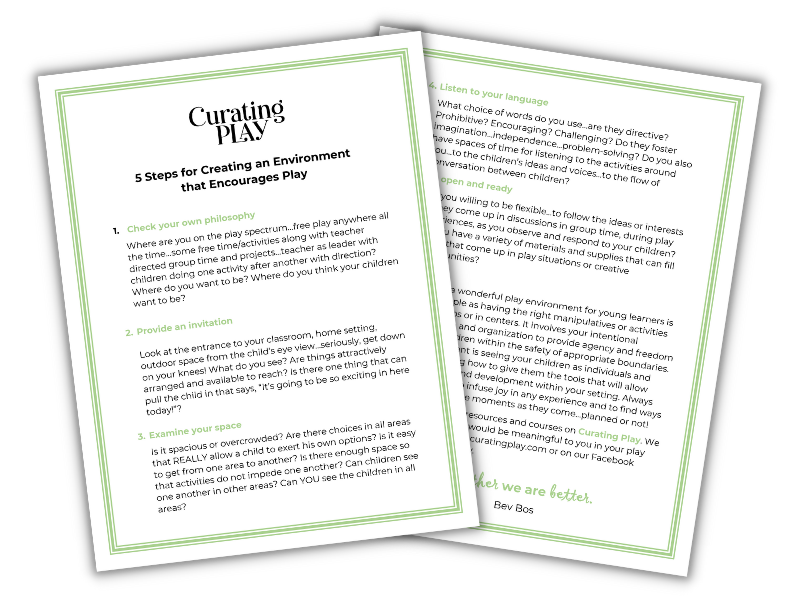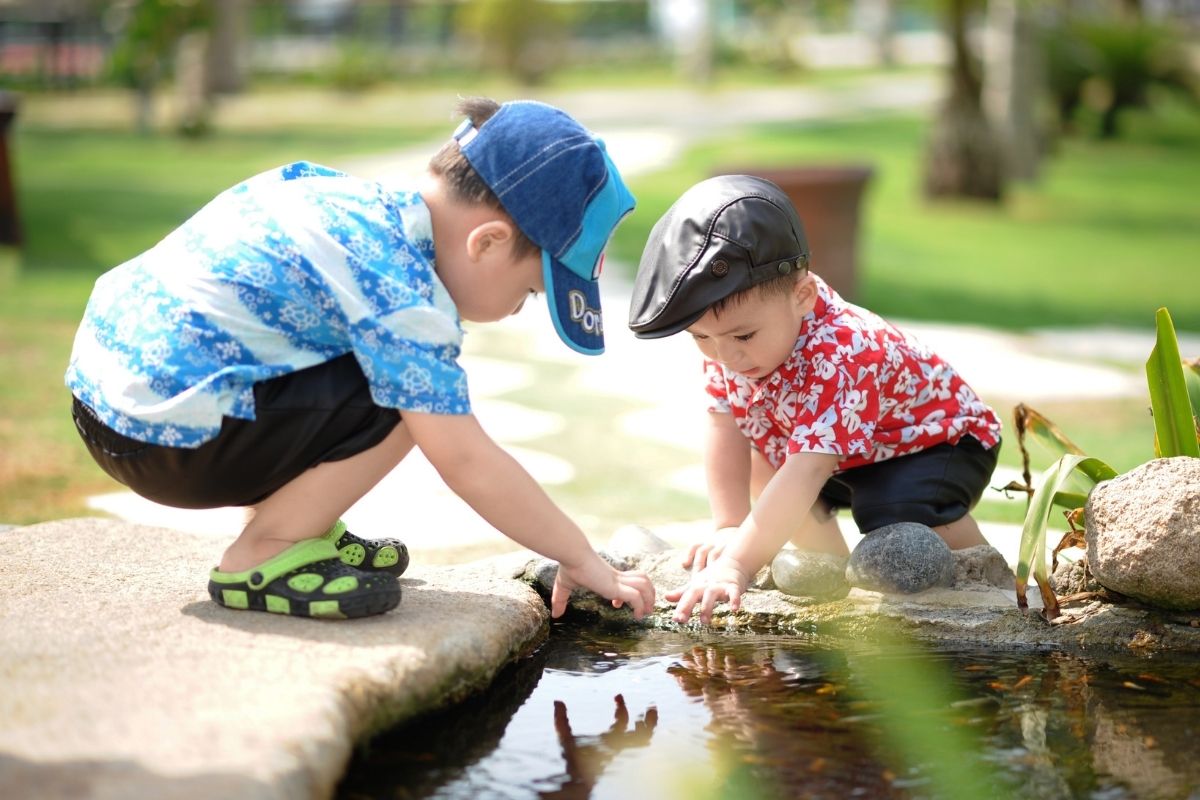

From the moment a child lifts a leaf and turns it over in their fingers, wonder begins to work. Wonder is more than a warm feeling or a fleeting giggle — it’s often the first spark in a chain that leads to curiosity, exploration, discovery, and deep learning. As early childhood professionals, one of our greatest gifts is to nurture those sparks and create environments where wonder can flourish.
Why Wonder Matters
Wonder is the quiet but powerful engine behind attention, memory, and motivation. When children see something familiar in a new light — a twist of twig, the texture of bark, the swirl of a shadow — their brain leans in. They notice details, ask questions, make connections. That pattern of noticing and questioning is the very root of learning. In the calm spaces of wonder, children sharpen focus, ignite imagination, and flex their self-regulation muscles. When adults respond to those moments — with a soft question, a gentle invitation, or simply silence — we give children permission to follow their own curiosity. We don’t rush them toward a “right answer.” Instead, we stand beside them, quiet, open-hearted, ready to be amazed alongside them. We practice true listening which grows trust and relationships in the most natural way.
Designing for Wonder: Practices That Invite Awe
We tend to naturally think of wonder as a nature-based phenomenon, but wonder is a mindful activity that can occur inside AND outside. It is opportunity that is key…offering items that are open-ended, unknown, in a different setting or just plain new. Here are some everyday practices that help foster wonder in early childhood settings:
- Open-ended materials & loose parts: Natural found objects— stones, shells, sticks, fabric scraps — or simple materials like fabric pieces, kitchen tools, buttons or garage sale finds encourage children to explore, test, and imagine. Without predetermined purpose or “right way,” these materials invite experimentation and story-building.
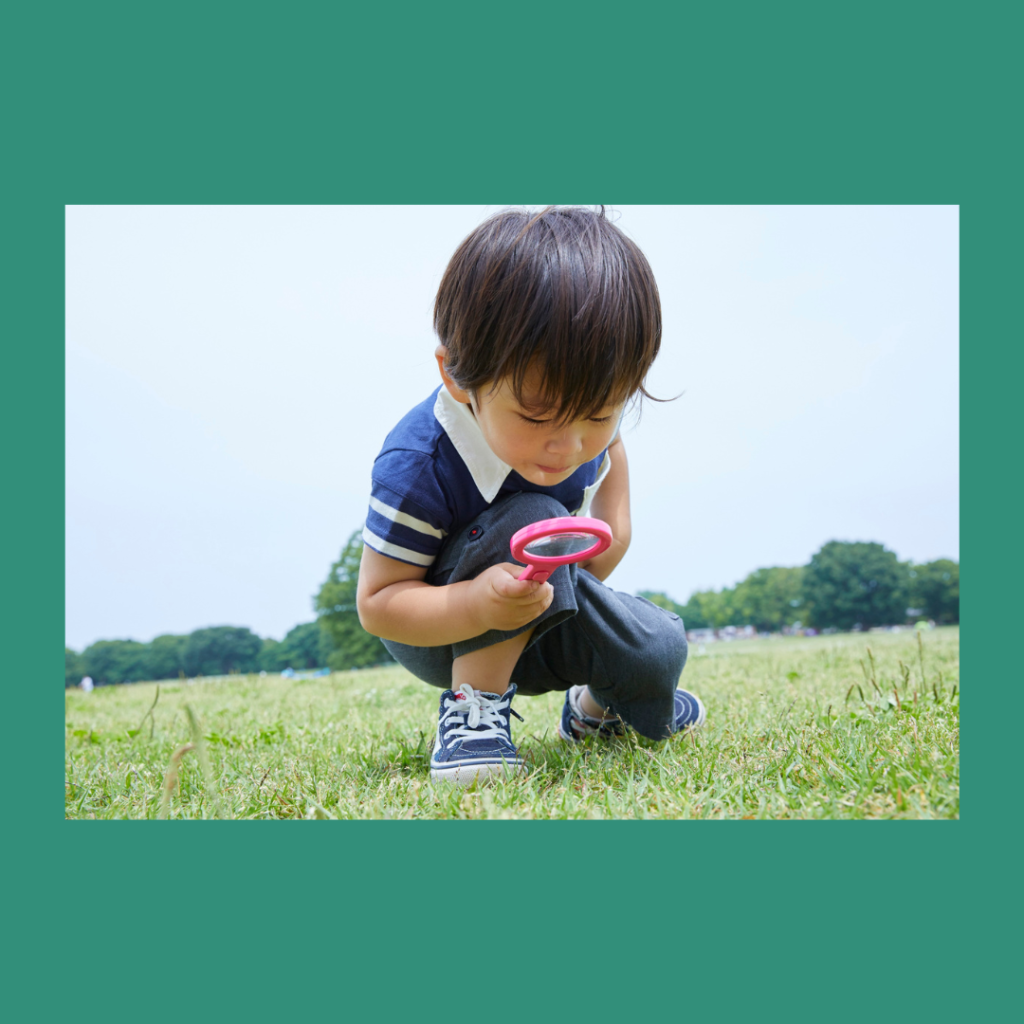
- Nature-infused play: A handful of leaves, a pinecone, a patch of grass, or a bit of sunshine can become the center of a child’s deep exploration. Whether outside or brought in, nature’s textures, smells, and unpredictability awaken senses and curiosity. Things like shadows and light, water, smells and textures can be inside OR outside experiences.
- Invitations to slow down: Sometimes wonder needs a soft rhythm. A quiet moment at arrival, a “wonder table” with carefully chosen objects, or a gentle walk focusing on noticing rather than doing — these pauses create space for deep attention, reflection, and connection. Nothing can capture attention for young children like an aquarium or goldfish bowl. It tends to slow down adults as well sometimes, too!
- Unhurried adult presence: Perhaps most important: when adults slow, soften, and simply watch. No over-instructing, no pushing — just attuned presence. An encouraging question here (“What do you notice?”), a quiet observation there (“Look at how the light moves…”), a respectful pause — these signal to children that their observations matter. These kinds of experiences are rare for some children and can make a difference in trusting relationship building as well as sparking interest and invention.
Why This Matters — Always, But Especially Now
In a world that often rushes toward the next checkbox, the next “skill mastered,” wonder offers a counterpoint: slow, rich, responsive learning grounded in the child’s own questions and rhythm. This December — a time of endings and new beginnings — is perfect for reclaiming that approach.
Our hope is that your classrooms, homes, and communities become places where questions are treasured, where silence is valued, and where awe is honored. In doing so, we help children become learners for life — curious, thoughtful, and connected – ready to find the best in the life around them every day.